
Old Petrol or Diesel in the Tank: Damage and Fix
Car or bike parked for months? How long petrol and diesel last in the tank, what damage old fuel causes and how to recover it with NF Fuel Guard.
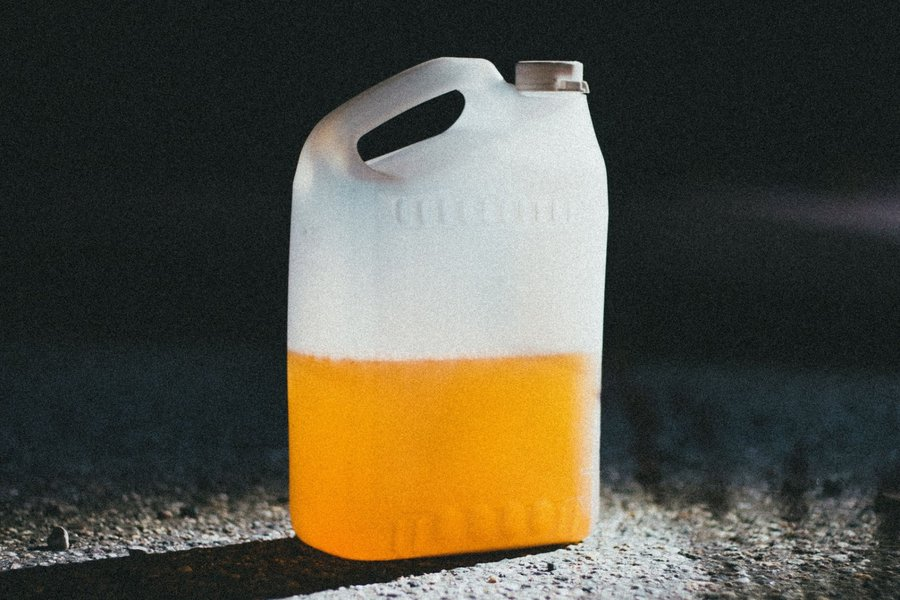
Old Petrol or Diesel in the Tank: How Long It Lasts, What Damage It Causes and How to Recover It
If your car, motorcycle or machinery has been sitting for months, it is natural to ask: how long does petrol last in the tank?, can you use old petrol?, what happens if I start my car after months of sitting?, what should I do with aged fuel? In this guide we answer the most common searches about old fuel: why it goes bad, what damage it can cause and how it can be fixed. We also explain what the data sheet of NF Fuel Guard says, the NF Booster Europe additive that, according to its data sheet, revitalises aged fuel.
How long does petrol or diesel last in the tank?
There is no single figure: it depends on the type of fuel, temperature, humidity and how well sealed the tank or container is. As a general rule, the more months fuel is stored, the more it degrades, and this shows up sooner in vehicles that are rarely used: classic cars, seasonal motorcycles, holiday homes, machinery or generators.
Why does fuel go bad over time?
As a general explanation, there are several reasons why fuel ages:
- Oxidation: over time and in contact with air, fuel oxidises and can form gums and varnishes.
- Loss of the lighter, more volatile parts, in the case of petrol, which worsens starting behaviour.
- Moisture and condensation: water collecting in the tank speeds up deterioration and, in diesel, can encourage the growth of algae and microorganisms (the well-known Fuel Bug).
- Partly filled tanks left for a long time, which leave more air and more moisture inside.
What damage does old fuel cause?
As a general rule, aged fuel can cause problems such as:
- Clogged filters: gums, varnishes and sediment can saturate them.
- Dirt in injectors, pump and lines, or in the carburettor of a motorcycle or classic car.
- Hard starting, especially after months of inactivity.
- Jerking, hesitation or rough running of the engine.
- Acids and corrosion inside the tank and the fuel system.
How do I know if petrol or diesel has gone bad?
No sign is conclusive on its own, but these are the most common: a different smell from normal (sour or varnish-like), a darker colour or cloudy appearance, residue or sediment at the bottom, and an engine that starts badly or jerks after a long period of sitting. If in doubt, have it checked at a workshop.
Can you use old petrol or old diesel?
It depends on how much it has degraded. With lightly aged fuel the engine may sometimes run, although it is advisable to treat it. With heavily deteriorated fuel, visible residue or water, the wise move is not to start the engine and to go to a workshop to have the tank drained and cleaned, because you could damage the filter, pump or injectors.
What should I do if my car has been parked for months?
As general recommendations: do not simply fire it up if you see clear signs of bad fuel, check the condition of the fuel and filters, and bear in mind that if there has been moisture or condensation there may also be water in the tank. If the fuel is generally in good condition, you can consider treating it with an additive designed for aged fuel, such as the one described below.
How do you recover aged fuel?
There are two routes. The first is to drain and clean the tank at a workshop, which is the answer when the fuel is heavily degraded or contains a lot of water. The second, when the deterioration is moderate, is to treat the fuel with a specific additive, such as NF Fuel Guard, so you do not have to discard the whole tank.
NF Fuel Guard: what its data sheet says about aged fuel
NF Fuel Guard is a highly concentrated product, specially formulated to address problems caused by water contamination in fuel. According to its data sheet:
- It revitalises aged fuel.
- It removes varnishes, gums and acids from fuel tanks.
- It dissolves water and condensation in tanks, and the water ends up evaporating through the exhaust.
- It prevents and eliminates Fuel Bug and algae.
- It treats up to 1,200 litres of petrol or diesel (300 litres in extreme cases).
- It is safe for catalytic converters and oxygen sensors, and non-flammable.
- It can be used in both vehicle fuel tanks and bulk storage tanks.
For the exact amount to add and how to use it, check the label on the bottle. You can see the full data sheet, with the up-to-date price, on the NF Fuel Guard page, within the additives category of NF Booster Europe.
How can I stop fuel from going bad in the tank?
As general preventive measures:
- Try not to leave the tank nearly empty when the vehicle will be unused for a long time, so there is less air and moisture inside.
- Check that the fuel cap closes properly and is in good condition.
- Use the vehicle from time to time if possible, to refresh the fuel.
- If you store fuel in containers or tanks, keep it tightly closed, in a cool, dry place.
- Have the fuel filters checked according to your vehicle's maintenance schedule.
Frequently asked questions about old petrol and diesel
How long does petrol last in the tank?
There is no exact period: it depends on the fuel, temperature, humidity and how airtight the tank is. The longer it sits, the more it degrades.
Can I use petrol that is months old?
It depends on its condition. If it is only slightly aged, the engine may run, although it is advisable to treat it. If it smells odd, is cloudy or has residue, the wise move is not to start the engine and to talk to a workshop.
What happens if I start my car after months of sitting?
It may be hard to start, jerk or run unevenly if the fuel has degraded or there is water in the tank. If in doubt, have it checked first.
What can be done with old petrol?
If it is heavily deteriorated, the recommended step is to drain and clean the tank at a workshop. If the deterioration is moderate, there are additives designed to treat aged fuel.
Is there an additive for aged fuel?
Yes. According to its data sheet, NF Fuel Guard revitalises aged fuel and removes varnishes, gums and acids from fuel tanks.
Does NF Fuel Guard work with petrol and diesel?
Yes, it treats up to 1,200 litres of petrol or diesel (300 litres in extreme cases).
Does old diesel go bad too?
Yes. Over time and with moisture, diesel can degrade and, where water is present, encourage the growth of algae and microorganisms (Fuel Bug).
Is NF Fuel Guard safe for the catalytic converter?
According to its data sheet, it is safe for catalytic converters and oxygen sensors, and non-flammable.
Does it work if the fuel is completely bad?
That is not what it is for. If the fuel is heavily degraded or contains a significant amount of water, the right move is to have the tank drained and cleaned at a workshop. The additive is designed to treat aged fuel, not to replace that draining.